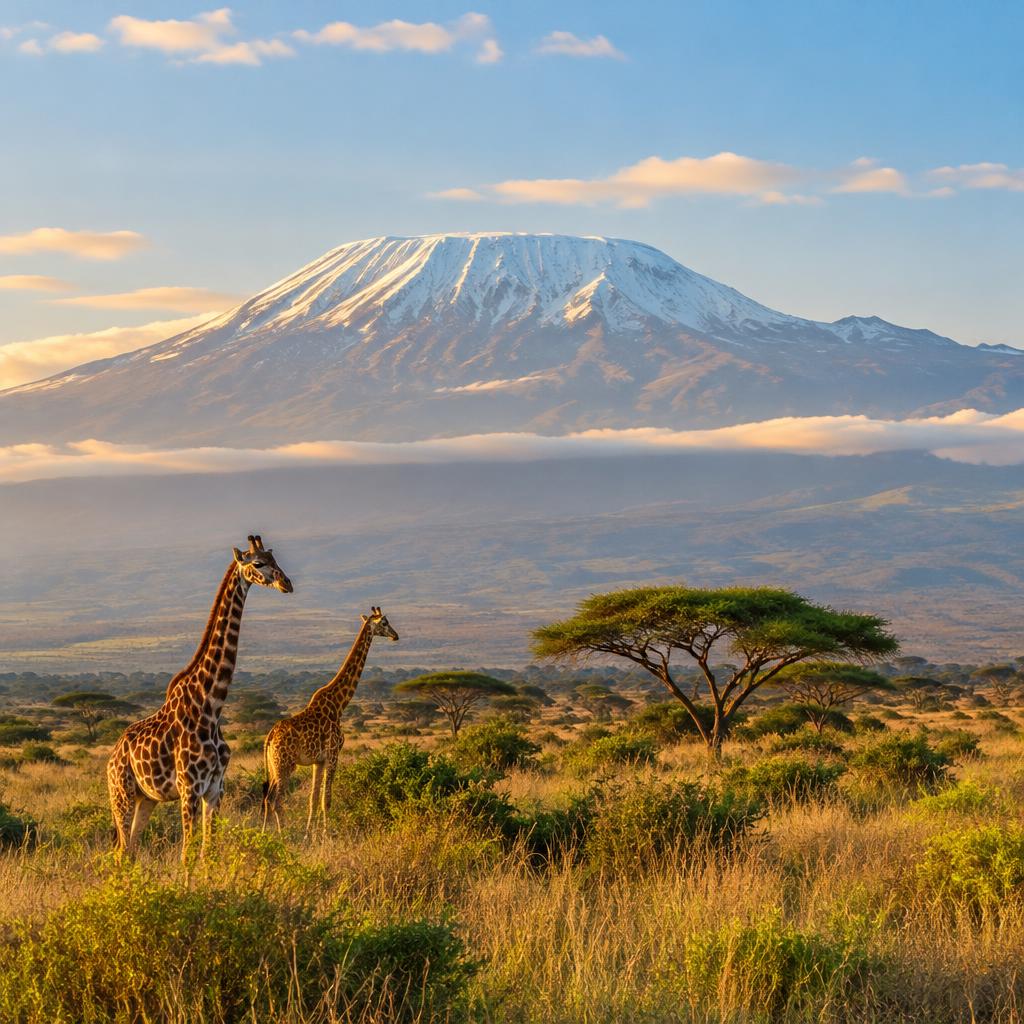
Tanzania
June to October for dry-season game viewing; January to February for calving season in the southern Serengeti.
Explore Tanzania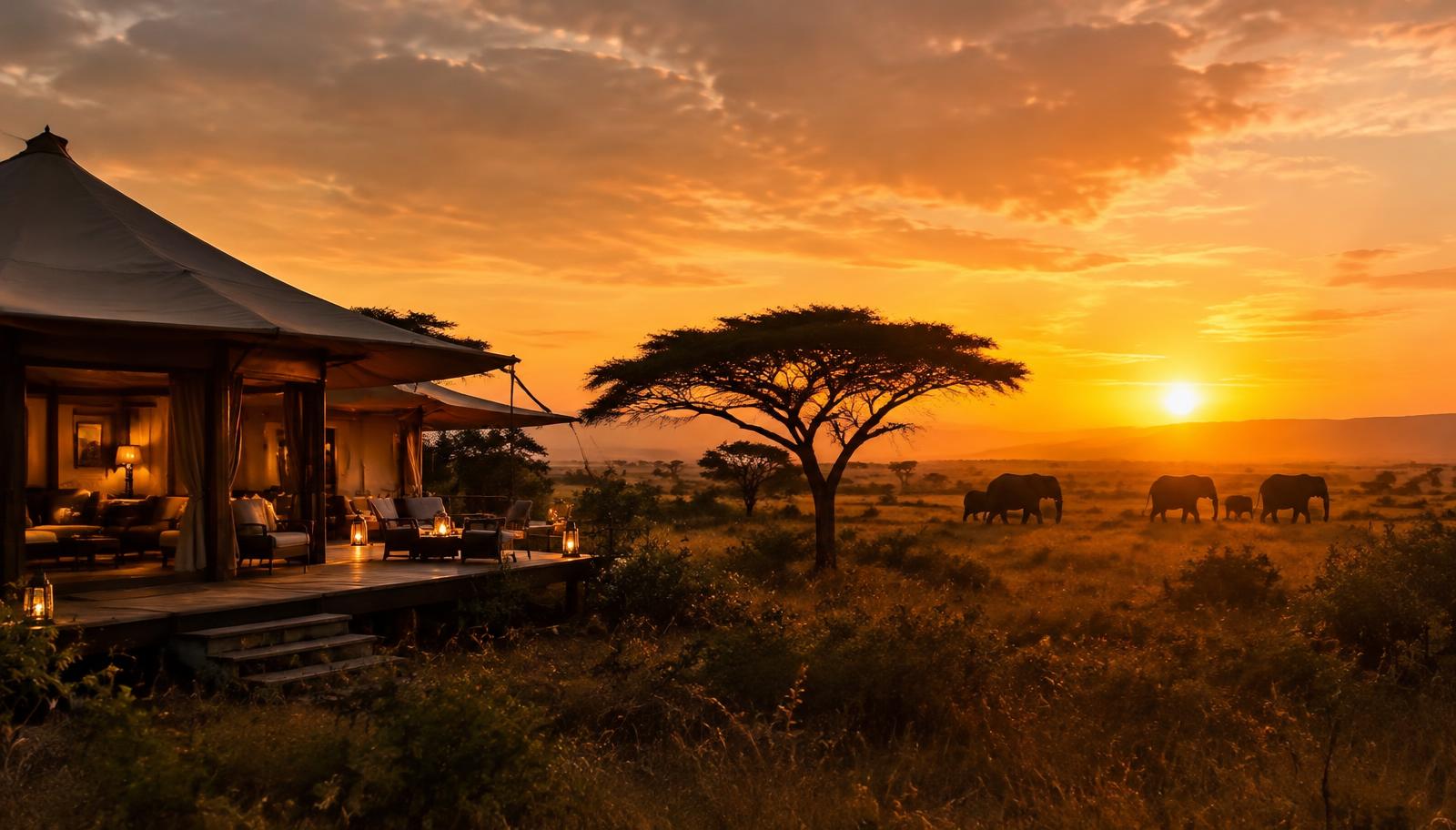
Safari Hotels
Match your travel dates to the wildlife, landscapes, and destinations you want to experience.
June to October for dry-season game viewing; January to February for calving season in the southern Serengeti.
Explore Tanzania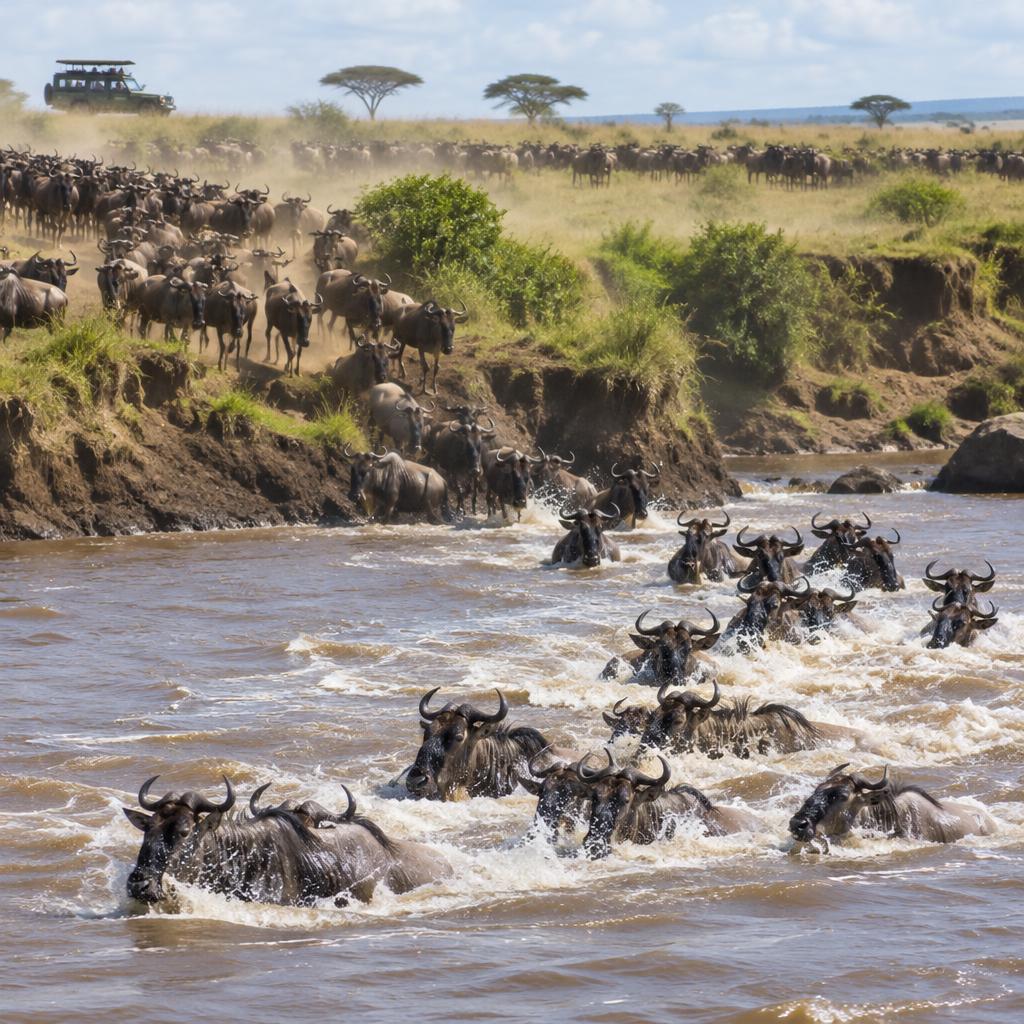
July to October for the migration in the Mara; January to February is also dry and quieter.
Explore Kenya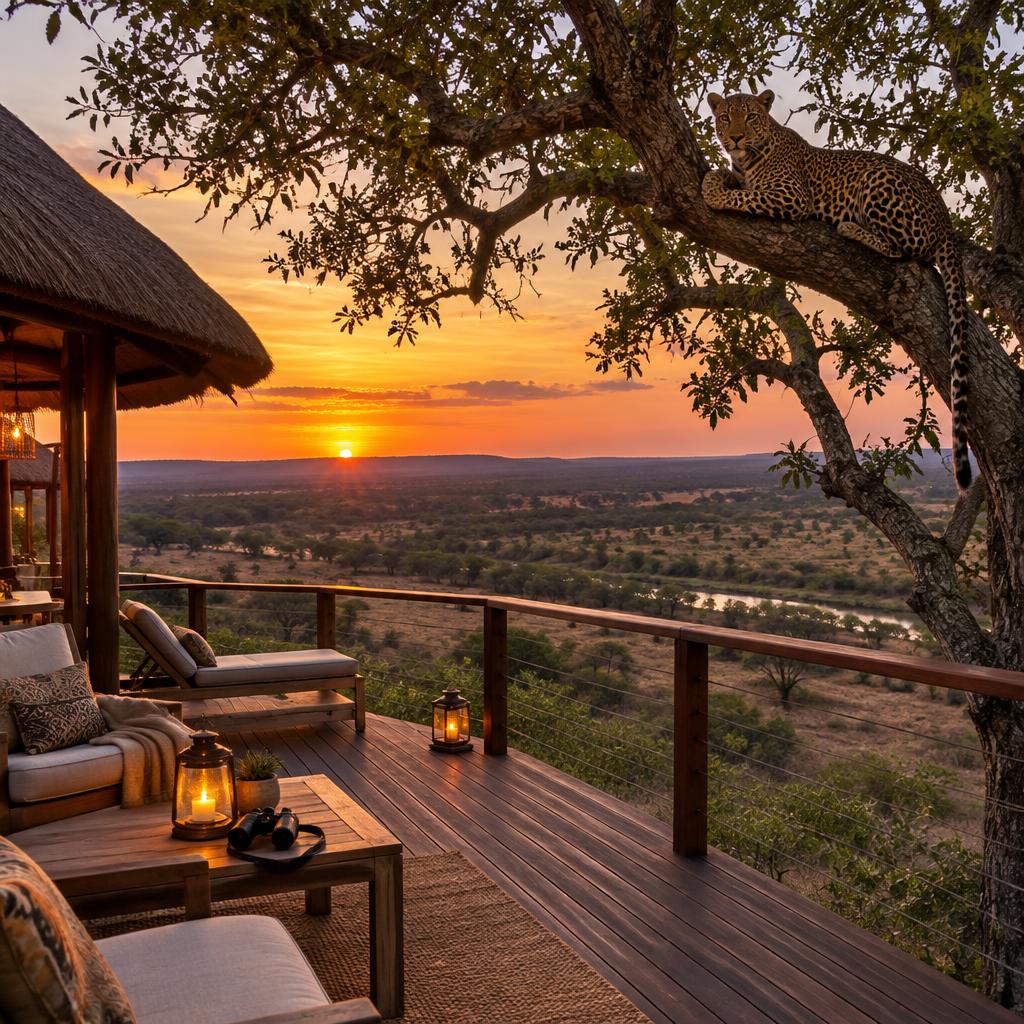
May to September for dry-winter game viewing; the green season brings lower rates and baby animals.
Explore South AfricaIn many safari areas, drier months bring thinner vegetation and wildlife gathering near water, which can make sightings easier. Popular travel periods can also mean busier parks and higher lodge rates. Book ahead and pack a warm layer for early starts.
Rainier periods can offer greener landscapes, birdlife, and fewer visitors. Roads and activities may be affected, and some camps close seasonally. Ask your operator about access, opening dates, and the conditions in the specific park you plan to visit.
The herds move between the Serengeti and Maasai Mara in response to rainfall and grazing. Seasonal windows are a guide, not a promise: river crossings and exact herd locations cannot be guaranteed. Choose your camp location with advice from a local operator close to your travel dates.
Safari conditions and beach or city weather do not always peak together. Check each stop separately when pairing Tanzania with Zanzibar, Kenya with the coast, or Greater Kruger with Cape Town.
These are general seasonal guidelines, not a live weather forecast. Conditions vary by region and year; confirm local advice before booking.
Book your safari